
Water Damage Claims: How to Work with Your Insurance Company?
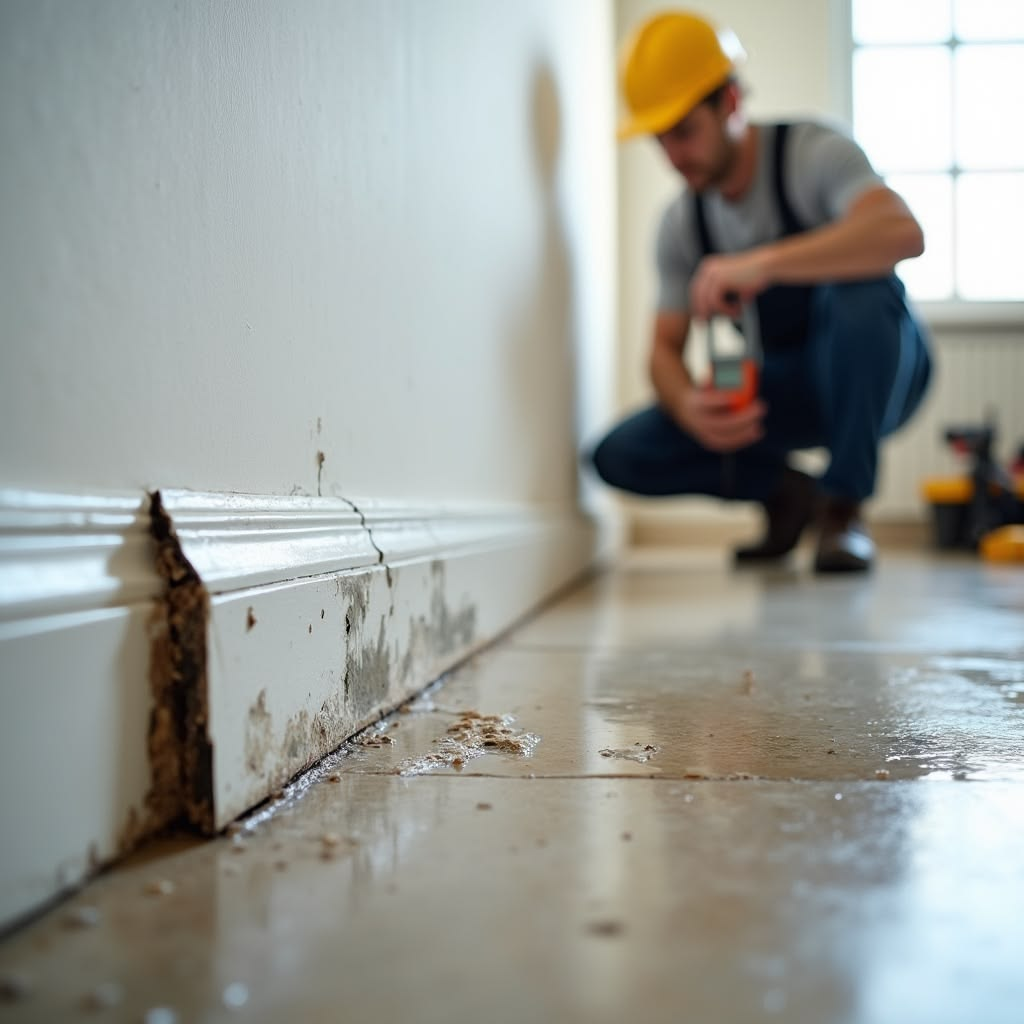
A flooded property means you need to go through tough times, as you have to manage both documents and structural repair at the same time. The stress of making claims can be another source of hassle for you in such a case.
Be it from a burst pipe or an emergency flood restoration in Boulder, learning how to talk to adjusters helps you safeguard your home and money. The experts at Restoration Logistics Boulder always advise on the importance of effective communication in securing appropriate claims.
Take Immediate Action to Limit Damage
It is clear in insurance coverage contracts that homeowners are supposed to act fast and prudently to limit further water damage from occurring after the initial water event takes place. Lack of action can make it possible for insurance adjusters to find a legitimate reason not to approve large amounts of compensation.
Cut off the Water Supply Source
The absolute primary task that needs to be done is to cut off the supply of water from either the main source or wherever the water entered the building. In cases where there are structural dangers or ceiling sagging or flooded electrical outlets, leave the building immediately and contact utility specialists.
Get Professional Mitigation Assistance
The quicker you get in touch with the professionals who can restore your property from water damage, the less chance there is of toxic mold development and hidden wood decay behind your drywall. In the event of an unforeseen disaster inside your home, emergency flood restoration in Boulder will assure that industrial fans and dehumidifiers dry your building out within hours.
Collect Evidence Before Starting Cleanup
Complete visual and written documentation is the cornerstone of any good property insurance claim. Do not discard damaged goods, remove carpet, or repair damage permanently until full documentation takes place.
Collect Extensive Visual Proof
Photograph and videotape all areas of your property that have been damaged, all damaged structures, all electrical fixtures, and all damaged personal items. It is imperative that you document all levels of standing water, levels of high water marks on drywall, and damaged furniture from multiple angles.
Document Your Itemized Loss Inventory
Compile an exhaustive list of all damaged items together with their ages, original purchase prices, brand names, serial numbers, and purchase receipts wherever possible. An itemized list ensures that the insurance adjuster does not underestimate the current value of the damaged items.
Know Your Insurance Policy Coverage
While the language used in insurance policy coverage is usually difficult to understand, it is important to understand what you are covered for in order to avoid any unpleasant surprises.
Recognize Water Damage Categories
Generally, homeowner insurance policies cover damage caused by sudden internal discharges. For example, a discharge from a washing machine or from burst pipes is covered.
However, damage caused by overland storm flooding needs national flood insurance coverage. Leakages that have been undetected over time are completely excluded due to maintenance reasons.
Track Your Deductible and Limits
Go through your policy declaration sheet carefully and find out exactly how much deductible you have and what are the limits of your policy. This way you will know in advance about your responsibilities and possible costs that you may face until contractors give you estimates.
Communicate Well with Your Insurance Adjuster
The insurance adjuster who is responsible for handling your claim comes to evaluate your damage and decides how much money will be paid out for repairs. Clear communication can save you a lot of time and make everything open and transparent.
Create a Record of Communications
For every single contact that you have with your insurer whether by phone, e-mail or site visits, keep a written record of the date, time, name, number and the content of the message. This will ensure there won’t be any misunderstanding and representatives will be responsible throughout the whole claim process.
Look for Detailed Written Explanations
When you receive an explanation from your insurance adjuster about denying certain repair line items, or providing a much lower compensation figure than what your restoration contractor estimated, make sure that the denial includes a detailed written explanation with specific clause(s) of your insurance policy.
Collaborate with Professional Restoration Contractors
Handling insurance claims along with structural repairs will be less complicated when you are dealing with professional restoration contractors who have an understanding of the stringent standards and requirements involved in the industry.
Arrange for On-Site Estimate Meetings
Restoration contractors use industry standard estimating software which is in accordance with the guidelines for insurance adjusters. It is beneficial for your restoration team to meet your insurance adjuster at your site, where all hidden damages can be included in the first estimate.
Check Professional Licenses
Ensure that the restoration contractor you have chosen possesses the right licensing, industry certifications, and comprehensive liability insurance prior to signing any contracts.
Technicians who are certified work by adhering to high standards of safety and the environment. Your home will be repaired properly and your rights will always be protected through the entire process of restoration.
Count on Local Specialists
Local specialists are much quicker at responding to the problem and comply with local building codes and municipal regulations. The use of certified emergency flood restoration in Boulder will guarantee that your property is properly dried out and sanitized according to the highest industry standards.
Hiring experts will guarantee that all moisture and structure logs needed for the quick claim settlement are documented in your insurance paperwork. Also, using professional services for emergency flood restoration will give you peace of mind during a stressful time.
Conclusion
For you to succeed with a water damage claim, it is important for you to move fast and take good records while keeping communication lines open between yourself and your insurance company. Understanding what your insurance covers and taking records of any form of damage will guarantee your right as an insured party. Your home will also be guaranteed to be completely safe after repairs.