Smart Factory Technology
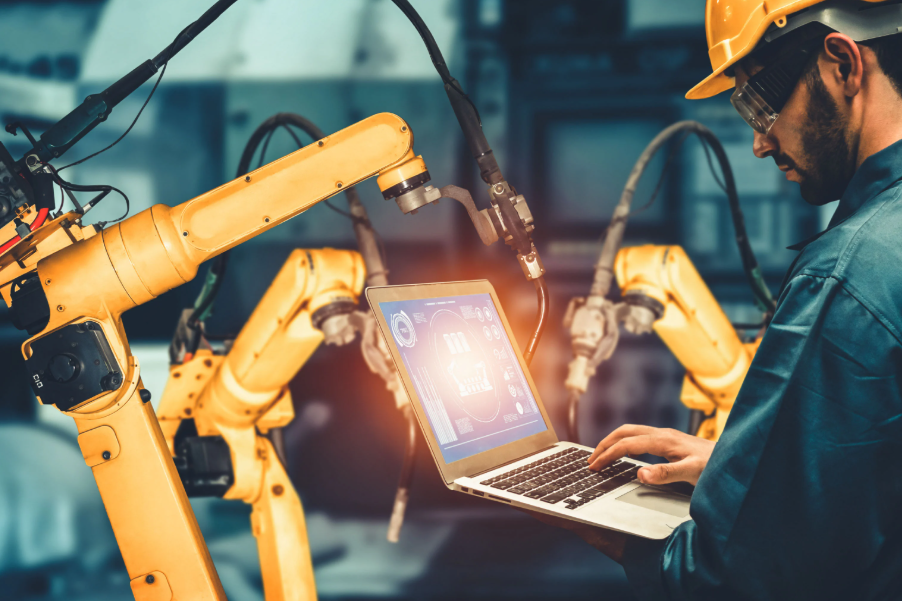
Smart factory technology represents a significant advancement in manufacturing processes. It integrates the Internet of Things (IoT), automation, and real-time data exchange to optimize production efficiency. This integration allows for improved communication between machines and a swift response to changing market conditions. However, the transition to these technologies is fraught with challenges that need careful consideration. Understanding these elements is crucial for manufacturers aiming to remain competitive in a rapidly evolving industry.
Key Components of Smart Factory Technology
The foundation of smart factory technology comprises several critical components that collectively enhance operational efficiency and flexibility.
Central to this framework are IoT integration and automation systems, which facilitate real-time data exchange and process optimization.
These elements enable seamless communication between machines, enhancing production capabilities while allowing manufacturers to dynamically adapt to market demands, ultimately fostering a more liberated and responsive operational environment.
See also: Responsible Use of Technology
Benefits of Implementing Smart Factory Solutions
Implementing smart factory solutions yields significant advantages that can transform manufacturing operations.
These technologies enhance production efficiency by optimizing workflows and reducing downtime. Moreover, they contribute to substantial cost savings through resource conservation and waste reduction.
Challenges in Adopting Smart Factory Technologies
While the potential benefits of smart factory technologies are considerable, organizations often encounter significant challenges during the adoption process.
Cost barriers can impede investment in necessary infrastructure and systems, while workforce readiness poses another hurdle, as employees may lack the skills required for new technologies.
Addressing these issues is essential to facilitate a successful transition toward a more automated and efficient manufacturing environment.
The Future of Manufacturing in a Smart Factory Era
Overcoming the challenges associated with adopting smart factory technologies paves the way for a transformative shift in manufacturing processes.
The integration of digital transformation and industrial IoT facilitates real-time data analytics, enabling enhanced operational efficiency and predictive maintenance.
This evolution fosters greater flexibility and responsiveness, empowering manufacturers to adapt swiftly to market demands while driving sustainable growth and innovation in the industry.
Conclusion
In conclusion, the adoption of smart factory technology is not merely an option but a necessity for manufacturers aiming to thrive in a competitive landscape. While concerns regarding costs and workforce readiness may deter some, the long-term benefits of increased efficiency, reduced waste, and enhanced adaptability far outweigh initial investments. By addressing these challenges proactively, organizations position themselves for sustainable growth and innovation, ultimately leading to greater resilience in an ever-evolving manufacturing environment.