Thyroidectomy Procedure Logs and Patient Monitoring Feedback
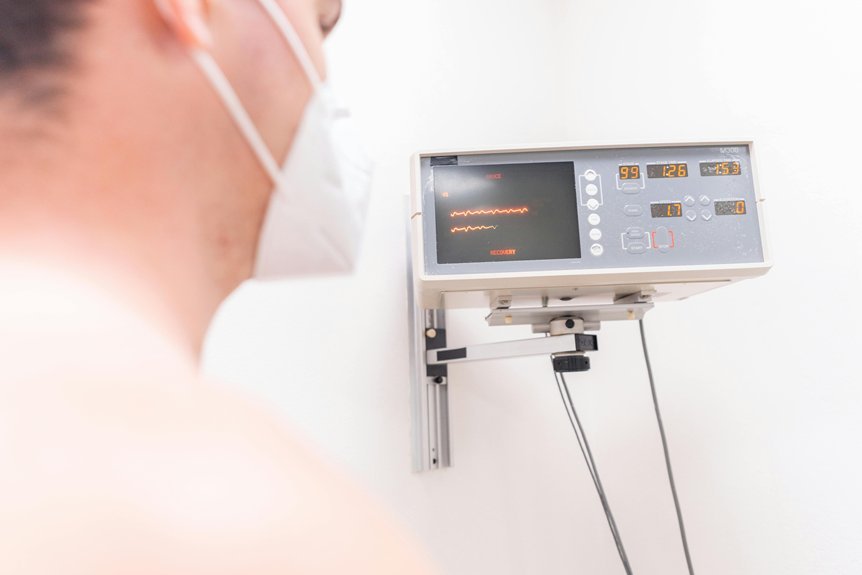
Thyroidectomy procedure logs serve as critical tools in surgical practice, documenting techniques and interactions that enhance transparency. Accurate documentation can lead to improved surgical outcomes. Additionally, patient monitoring feedback provides valuable insights during postoperative recovery. This feedback allows healthcare teams to adapt care plans promptly, addressing complications early. However, the integration of these elements raises questions about their impact on long-term health outcomes and the overall recovery experience. Further exploration is warranted.
The Importance of Detailed Procedure Logs in Thyroidectomy
Although often overlooked, detailed procedure logs play a crucial role in the management of thyroidectomy cases.
These logs meticulously document surgical techniques and patient interactions, enhancing understanding and transparency. By fostering effective patient education, they empower individuals to comprehend their treatment pathways fully.
Furthermore, thorough documentation facilitates continuous improvement, ultimately leading to better patient outcomes and informed decision-making in future surgeries.
Enhancing Surgical Practices Through Accurate Documentation
Accurate documentation significantly enhances surgical practices by providing a reliable framework for evaluating and refining techniques.
By ensuring documentation accuracy, surgical teams can assess outcomes, identify areas for improvement, and ultimately boost surgical efficiency.
This structured approach fosters an environment of continuous learning, empowering medical professionals to innovate and adapt, thereby elevating patient care and outcomes while maintaining a commitment to surgical excellence.
The Role of Patient Monitoring Feedback in Postoperative Recovery
Monitoring patient feedback during the postoperative phase is crucial for optimizing recovery following thyroidectomy procedures.
Patient insights significantly enhance postoperative assessments, allowing healthcare providers to refine recovery protocols. By systematically analyzing feedback, clinicians can identify complications early, adjust care plans, and ensure a more tailored approach to individual recovery journeys.
This proactive engagement fosters a sense of autonomy and empowerment in patients during their healing process.
Long-Term Health Outcomes: Integrating Feedback for Continuous Improvement
As patients transition from the immediate postoperative phase to long-term recovery, the integration of their feedback becomes essential for understanding and enhancing health outcomes following thyroidectomy procedures.
Long-term monitoring enables healthcare professionals to track patient progress and identify areas for health improvement.
Conclusion
In conclusion, the meticulous documentation of thyroidectomy procedures and the incorporation of patient feedback are not merely enhancements but are, in fact, the lifeblood of modern surgical practice. By fostering a culture of transparency and continuous improvement, these elements catalyze superior patient outcomes and empower healthcare teams. Ultimately, this integration epitomizes the gold standard in medical care, ensuring that each patient’s journey is not only monitored but also enriched, paving the way for a healthier future.