Trace Contact Behavior 9093637053 Clearly
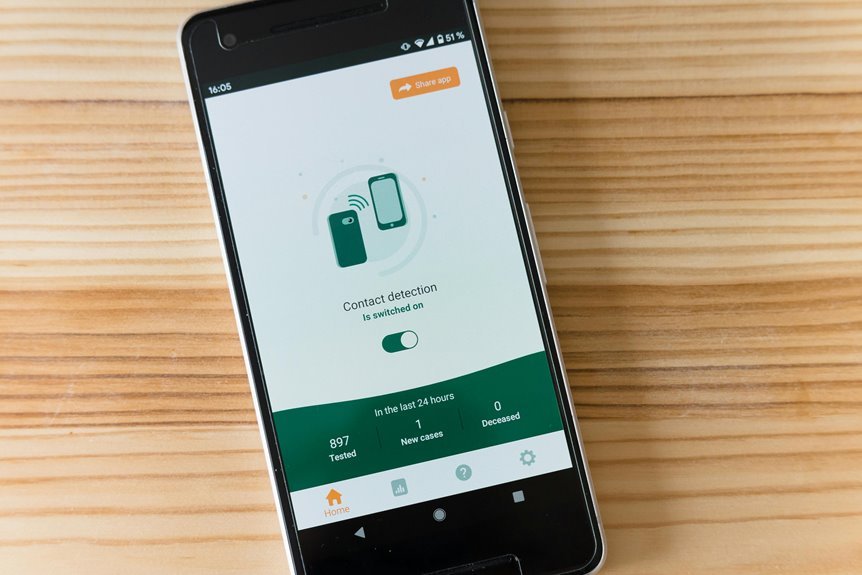
Trace contact behavior analysis plays a crucial role in understanding interpersonal dynamics. By employing advanced tracking tools, researchers can identify interaction patterns that inform communication strategies. This analysis extends beyond personal relationships, impacting public health decisions. However, the complexities of individual freedoms and privacy raise significant challenges. Exploring these intricacies could illuminate pathways toward effective contact tracing methodologies and foster meaningful connections in various contexts.
The Importance of Contact Behavior Analysis
Understanding the nuances of contact behavior is crucial for optimizing interpersonal interactions and enhancing communication efficacy.
Analyzing contact patterns reveals behavior trends that significantly influence relationship dynamics. By identifying these patterns, individuals can adapt their communication strategies, fostering more meaningful connections.
This analytical approach allows for the cultivation of authentic interactions, ultimately promoting a sense of freedom and empowerment in social exchanges.
Tools and Techniques for Tracking Interactions
While various methods exist for tracking interactions, the selection of appropriate tools and techniques is essential for effective analysis.
Tracking software plays a pivotal role in gathering data, enabling the identification of patterns and trends. Coupled with data visualization, these tools facilitate clearer insights into interactions, allowing for informed decision-making.
Ultimately, the right combination enhances understanding and fosters a more liberated approach to engagement.
Applications in Public Health and Safety
The application of tracking tools and techniques in public health and safety has become increasingly significant, particularly in response to health crises and emergencies.
By monitoring disease transmission patterns, authorities can implement effective social distancing measures, thus mitigating outbreaks.
These tools enable timely interventions, allowing communities to maintain a sense of freedom while prioritizing public health and safety through informed decision-making.
Challenges and Future Directions in Contact Tracing
As contact tracing evolves, it faces numerous challenges that hinder its effectiveness in combating infectious diseases.
Key obstacles include concerns over data privacy, which can deter public participation.
Furthermore, successful technology integration is essential yet complicated by varying infrastructure and user accessibility.
Future directions must prioritize transparent practices to enhance trust and adapt systems that effectively combine privacy safeguards with robust tracing capabilities.
Conclusion
In juxtaposing the nuances of personal connection with the critical needs of public health, trace contact behavior analysis emerges as a vital tool. While fostering authentic interpersonal exchanges, it simultaneously empowers decision-makers to navigate crises effectively. The delicate balance between individual freedoms and collective safety underscores the complexity of human interactions. As society advances, the integration of sophisticated tracking techniques will not only enhance relationship dynamics but also fortify public health responses, ensuring a resilient future.