Digital Entertainment Trends Shaping User Habits Worldwide
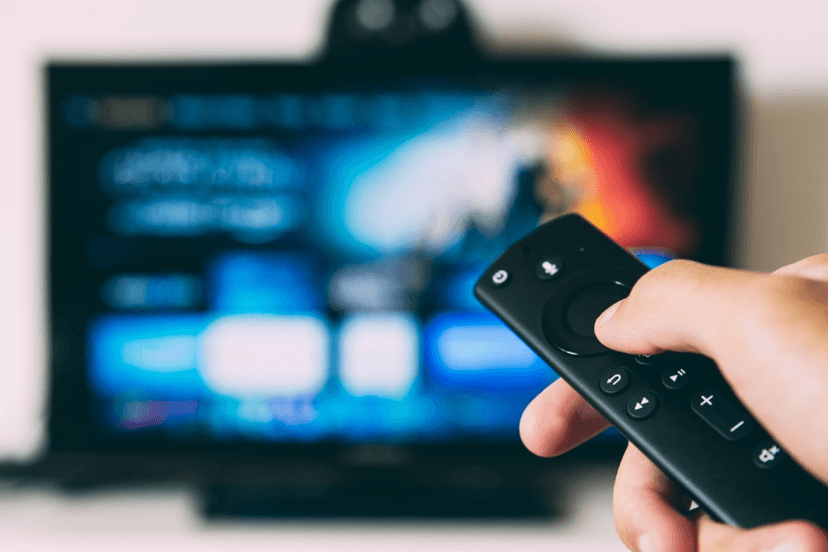
Digital Entertainment is Transforming Daily Routines
Digital entertainment has transformed reshaped daily routines around the globe. The days of passive entertainment are a thing of the past. There has been a significant shift from printed books, outdoor hobbies, and television to laptops, smartphones, tablets, and gaming consoles as people around the world consume content, socialise, and relax.
In the past, digital entertainment was an activity that required a time commitment, now it is enjoyed in short bursts at random times throughout the day and fits in with hectic schedules. Short form content that ranges from quick videos, short clips, and fast easy to play games are some of the most popular worldwide digital entertainment trends as they meet new user expectations of content that is instantly available regardless of which device they are using.
Established Digital Entertainment Platforms in Mature Markets
There are several established digital platforms that offer music, video, and games and they are all competing for a piece of the Canadian audience. Many of the platforms have been around for a decade or more and have become trusted household names. YouTube, Netflix, Facebook, Amazon Prime, and Spotify are some of the most popular providers that are used by Canadians.
Since the legalisation of privately operated online casinos in 2022 in Ontario, the number of Canadian gamers who play in an online casino in Canada has increased exponentially. iGaming has become one of the most popular forms of online gaming throughout the country.
The gaming market has a massive global following and around seventy percent of Canadians are active gamers. Digital entertainment platforms keep adding additional features so audiences can do more things on the same app or platform and is particularly prevalent in streamed content, superfan apps, and regulated online gaming.
Major Digital Entertainment Trends
Streaming platforms continue to be one of leading technological trends in digital entertainment that has led to a significant decline in programmed linear television viewing. On demand content, personalised recommendations, instant access that fits conveniently into viewers schedules and the availability of original and global content that is ad free has transformed how audiences around the world consume content.
Mobile first entertainment is revolutionising how audiences consume entertainment. Most interaction on the internet takes place on smartphones and entertainment platforms are creating mobile apps and then creating desktop versions realising most audiences will use their smartphone first and perhaps later use a PC. The majority of the more than six billion internet users are always connected and they consume content wherever they are.
Watching short videos during the morning commute, or playing a quick game while waiting in a queue, or shopping online during a break are the new norm. Entertainment is now a continuous process and users have a voracious, never ending appetite for content and quick forms of entertainment making it part of their daily routines rather than an activity to enjoy at home.
Online gaming, especially cloud gaming, is on the rise as gaming companies lower entry barriers offering gaming content to mobile users who can access it directly on their smartphones or other mobile devices which has removed the need for hardware or large amounts of memory. Online gaming is one of the most popular online social activities for Millennials and Gen Z .
A recent study found that these two groups spend more time socialising in online gaming environments than in person. Social platforms like Discord and multiplayer platform games have made games even more interactive and social and create community experiences which are becoming one of the most popular forms of social interaction where individuals around the globe connect, collaborate, and compete.
Gone are the days of passive entertainment consumption. Interactive digital experiences offer audiences the active participation that they desire which has now made it difficult to differentiate creators from audiences. Audiences in gaming, social media, streaming, and virtual events now critique, respond, and add to original material and younger generations thrive on this type of entertainment and regard passive viewing as something that feels incomplete.
In the gaming universe for example, social interactions are often much more important than the actual game itself and players, especially on multiplayer platforms will invest thousands of hours on a platform because they have created online identities and built communities in the digital space. Many games feature interactive storytelling and the actions of gamers can directly affect the final outcome which creates highly immersive and engaging environments.
Better Internet Infrastructure and An Increase In Smartphone Usage Has Increased User Participation Around The Globe
As the global internet structure has become more widespread and reliable along with an increase in smartphone usage, there is a wider level of participation around the globe in digital entertainment even in remote areas and developing countries and different demographics.
The rapid improvement of internet infrastructures in developing countries like India and Africa and the expansion of 5G is bringing the internet to even the most remote areas of the world who now have access to cheap smartphones and data plans that fit most any budget. As a result there are over six billion internet users and countries are investing money into making connectivity a priority for all citizens even in areas where normal internet access is not possible.
Changes in User Habits
On-demand is rapidly replacing scheduled passive traditional television viewing. On demand content offers users easily accessible content, flexible viewing, and active engagement where users now choose how and when they watch content as well as being able to choose from a vast selection of different types of content.
They can pause or skip content when they wish and also binge watch an entire series in one setting replacing the anticipation of waiting for the next episode into a feeling of instant gratification because they were able to watch the entire series all at once.
Audiences are no longer constrained to watch content at home, rather they can watch it from smartphones or other mobile devices regardless of where they are which has encouraged an increase of content viewing during short slots of free time such as during a break, waiting for a flight to leave, or on the morning commute.
Personalisation creates increased levels of user engagement by providing recommendations of relevant content. There is less tolerance of generic marketing and audiences are more likely to engage with content that has been hyper personalised. Modern consumers prefer recommendations that help them streamline the decision making process making it more efficient and reduce mental fatigue.
Why Platform Reliability, Trust, and Security Are Important
Platforms need to build enduring relationships with their internet dependent audiences. Everyday millions of users interact on the internet and the importance of providing digital spaces that are trustworthy, reliable, and secure must be a top priority for any entertainment service provider.
Both platforms and users need to be held accountable for their actions and act responsibly to maintain environments where everyone is safe from threats or harmful interactions with others. Cyber crime is another concern and platforms need to adopt protocols to ensure that online spaces and those individuals that use them are protected
The Future Impact of Emerging Technologies on Digital Entertainment And Their Influence On Global Behaviours
Digital entertainment is at an exciting turning point and emerging technologies such as AI will continue to revolutionise how content is produced and consumed worldwide. VR and AR are already blurring the lines between the physical and virtual worlds.
Immersive extended reality (XR), a combination of AR,VR, and MR will further enhance entertainment and media and influence how audiences around the world interact with content. Virtual sporting events, concerts, flight simulations, cinematic experiences and many others will create unparalleled immersive experiences and increase engagement which will all be possible because of improved connectivity through services such as 5G connectivity whose reach will encompass the entire world.