How to Choose the Best Pay Stub Template for Your Business
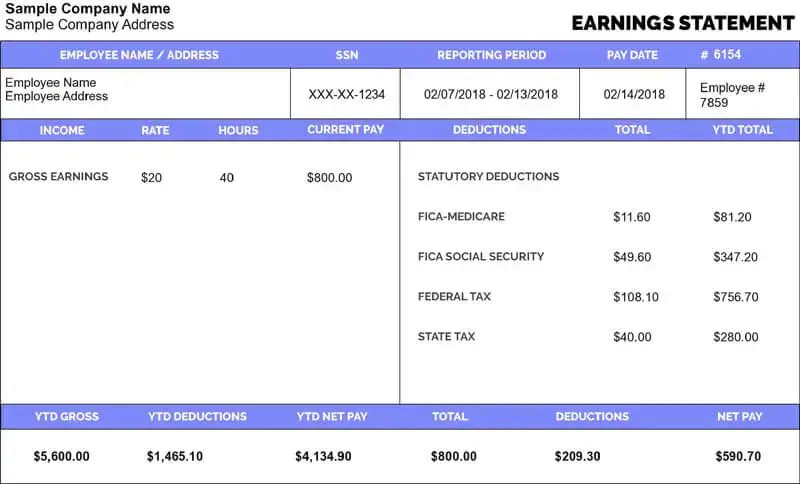
Running payroll smoothly is one of the most important parts of managing any business. Whether you have one employee or a growing team, accurate payment records help you stay organized, build trust, and reduce payroll confusion. That’s where choosing the right free pay stub template with calculator becomes important.
A good pay stub template does more than show wages. It helps document earnings, deductions, taxes, and year-to-date totals in a format that is easy to understand and easy to maintain. But not all templates are equally useful. Some are too basic, while others include unnecessary fields that only make payroll harder to manage.
If you’re trying to find the best option for your business, here’s what to look for.
Why a Pay Stub Template Matters
Check stubs are more than just a record of payment. It acts as a supporting document for both employers and employees. For businesses, it helps maintain payroll records and creates a more professional payment process. For employees, it provides a clear breakdown of how their earnings were calculated.
Using a structured template can also help reduce manual errors. Instead of creating payment records from scratch every time, a template ensures you use the same format consistently. This is especially useful for small businesses, freelancers with assistants, startups, and companies without a dedicated payroll department.
Look for Clear Earnings and Deduction Sections
The first thing any business should check in a pay stub template is whether it clearly separates earnings from deductions.
A useful template should include:
- Employee name and pay period
- Hours worked or salary amount
- Gross pay
- Taxes withheld
- Other deductions
- Net pay
- Year-to-date totals
If these sections are missing or hard to edit, the template may create more confusion than value. The goal is to make payroll records simple, readable, and complete.
A clean format also helps employees understand their compensation without needing extra explanation from HR or management.
Choose a Template That Matches Your Business Type
Not every business has the same payroll needs. A retail business may need hourly calculations, while a consulting agency may use salary-based payments. Contractors, part-time staff, and remote workers may also require slightly different record formats.
That’s why it’s smart to choose a pay stub template that matches your actual payment structure.
For example:
- Hourly teams need overtime and hours-tracking fields
- Salary-based businesses need consistent fixed-pay layouts
- Freelancers and contractors may need simplified earnings records
- Growing teams often benefit from more detailed templates
The more aligned the template is with your workflow, the easier it will be to use consistently.
Editable Templates Save Time
A static file may look nice, but if it’s difficult to edit, it won’t be practical for real payroll use. One of the best things to look for is whether the template can be updated easily in formats like PDF, Word, or Excel.
An editable template helps you:
- Reuse the same format every pay cycle
- Update employee information quickly
- Keep payroll records consistent
- Avoid redesigning documents repeatedly
This becomes especially useful when you have multiple employees or recurring payroll schedules. Instead of starting over every time, you can simply duplicate and update the template as needed.
Avoid Overly Complicated Designs
Many businesses make the mistake of choosing a pay stub template based only on how “fancy” it looks. But when it comes to payroll documents, clarity beats decoration.
The best templates are usually:
- Professional
- Easy to read
- Properly structured
- Not overcrowded with unnecessary details
A clean and practical layout makes it easier for employees, landlords, lenders, or anyone reviewing the document to understand it quickly. That matters when pay stubs are used for income verification, record keeping, or administrative purposes.
Think About Long-Term Use
A good template should not only work today — it should still be useful as your business grows.
Ask yourself:
- Will this template still work if I add more employees?
- Does it include enough detail for long-term payroll records?
- Can I reuse it regularly without major changes?
If the answer is yes, you’re likely choosing a smarter template.
Businesses that use a consistent format over time usually have an easier time managing payroll documentation and reducing avoidable record-keeping issues.
A Simple Way to Get Started
If you’re still comparing options, the easiest starting point is to use a ready-made free pay stub template that already includes the key fields businesses commonly need.
Instead of building one from scratch, many employers prefer to start with a clean downloadable format and customize it as needed. If you want a practical place to begin, you can explore professional and easy-to-edit options at StubCreator, which offers free pay stub templates designed for clarity and convenience.
Final Thoughts
Choosing the best pay stub template for your business doesn’t have to be complicated. The right option should be easy to edit, simple to read, and flexible enough to match how you actually pay your team.
When you choose a structured template that supports your payroll process, you save time, reduce confusion, and create more professional payment records from day one.
Also Read:
How Many Working Days In 2026
Hobby Lobby Employee Portal Login
How Long Is a Business Day
FIT Taxable Wages Explained